biodegradable packing materials showdown paper versus plastic
In 2026, the conversation around packaging has shifted significantly, with businesses and consumers alike seeking eco-friendly alternatives. Biodegradable packing materials have gained prominence as a solution to combat the growing environmental crisis. Among these options, paper and plastic biodegradable materials stand out. This comparison will delve into their benefits, limitations, and practical applications, helping you make informed choices for your packaging needs.
Understanding Biodegradability
Before we dive into the showdown, it is important to clarify what biodegradable means. Materials that are biodegradable can break down naturally through the action of microorganisms. This process typically occurs within a few months to a few years, depending on the material and environmental conditions. Both paper and plastic options boast biodegradability, but their processes and impacts on the environment differ.
Paper Packaging: The Natural Choice
Paper packaging is often hailed as a more eco-friendly alternative due to its renewable resources. It is made from trees, which can be replanted, and it decomposes relatively quickly. When composted, paper can break down in as little as four to six weeks. Additionally, paper packaging is generally recyclable, contributing to a circular economy.
One of the standout features of paper packaging is its versatility. It can be used in various forms, including boxes, envelopes, and padded mailers. Furthermore, brands can easily print on paper, allowing for creative designs that enhance marketing efforts.
People Also Look For:
- Clipper Organic Lemon Green Tea Bags | 80 Teabags for Home or Office | Pure, Eco-Conscious, Fair Trade Green Tea with Lemon | Natu...
- Tirtyl Skipper Foaming Hand Soap Tablet Refills - 12 Pack - 3L total (12x 250ml) - Rebranded - Compostable Packaging - Variety Fra...
- Vove Washing Up Liquid Refills 3-Pack, Bergamot Mint & Basil, Powder-to-Gel, Plant-Based Concentrated Formula, Grease-Cutting, Pla...
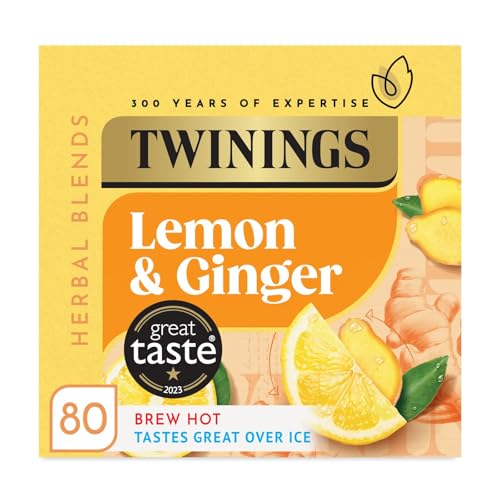
- Twinings Lemon and Ginger Flavoured Tea -80 Biodegradable Bags Caffeine-Free Herbal Tea with Zesty Lemon & Spicy Ginger Flavor Ref...
- Tirtyl Skipper Foaming Hand Soap Tablet Refills - 12 Pack - 3L total (12x 250ml) - Rebranded - Compostable Packaging - Variety Fra...
Limitations of Paper Packaging
Despite its advantages, paper packaging does have limitations. It is less durable than plastic, which means it may not hold up well in wet conditions or during long-distance shipping. Additionally, the production of paper can be resource-intensive, requiring significant amounts of water and energy. This aspect raises concerns about deforestation and habitat destruction, particularly if not sourced responsibly.
Plastic Packaging: The Flexible Option
On the other hand, biodegradable plastic packaging has emerged as a popular choice, particularly in industries such as food and beverage. Made from renewable biomass sources like corn starch, these plastics can decompose under specific conditions, often within six months to two years. This feature is especially beneficial for products that require moisture resistance.
Plastic packaging is incredibly versatile, available in various forms such as films, bags, and containers. The flexibility and strength of plastic mean it can efficiently protect products during transit, reducing damage and waste.
Limitations of Plastic Packaging
However, biodegradable plastics also come with significant drawbacks. They require specific conditions to decompose properly, often necessitating industrial composting facilities that are not widely available. If sent to landfill, these materials may not break down as intended, leading to a false sense of sustainability.
Comparative Performance and Usage
When considering which option to choose, it is crucial to look at the intended use. For short-term applications or items that will be used immediately, paper packaging may be the best option due to its quick decomposition and recyclability. However, for products that require durability, like food items that need moisture protection, biodegradable plastic might be the better choice.
Moreover, the choice between paper and plastic can also impact branding. Consumers are increasingly aware of sustainability, and using biodegradable materials can enhance a brand's image. Businesses should consider their target market's values when selecting packaging materials.
Practical Advice for Businesses
For businesses looking to transition to biodegradable packing materials, here are a few practical tips:
- Assess the type of product being packaged and its shipping requirements.
- Source materials from reputable suppliers that adhere to sustainable practices.
- Consider the entire lifecycle of the packaging, including disposal options.
- Educate consumers about the benefits of the chosen material to enhance brand loyalty.
By carefully evaluating the pros and cons of both paper and plastic biodegradable packing materials, businesses can make informed decisions that align with their sustainability goals while meeting consumer expectations.